

This company has no active jobs
0 Review
Rate This Company ( No reviews yet )
About Us
Why You Should Focus On Making Improvements To Rollator With Seat
Understanding Rollators with Seats: A Comprehensive Guide
As the population ages, the requirement for mobility aids ends up being increasingly important. Amongst these aids, the rollator with seat shines as a crucial choice for people who may require additional support while retaining their self-reliance. This article looks into the intricacies of rollators with seats, shedding light on their benefits, types, performance, and dependability.
What Is a Rollator with Seat?
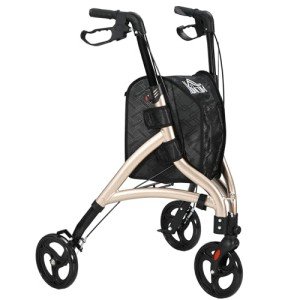
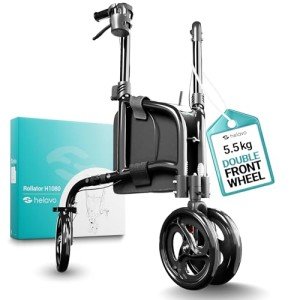
A rollator with seat is a Mobility Aid device created to assist individuals with walking while offering a place to rest. Unlike traditional walkers, rollators normally come geared up with four wheels, hand brakes, and a built-in seat. This mix enables users to keep mobility while also ensuring they can take breaks whenever essential.
Key Features of Rollators with Seats
- Four-Wheel Design: Rollators boast a steady four-wheel structure, enabling safe motion and ease of navigation.
- Hand Brakes: Equipped with hand brakes, rollators enable users to stop and lock the gadget firmly when seated.
- Integrated Seat: Central to their design, the seat uses users a place to rest without needing them to find alternative seating.
- Lightweight Frame: Most rollators are made from Helavo Lightweight Indoor Rollator for Effortless Movement products, making them portable and simple to maneuver.
- Adjustable Handles: Users can tailor the height of the handles, promoting ergonomic use and minimizing the risk of pressure.
The Benefits of Using a Rollator with Seat
Rollators with seats supply many benefits, making them an ideal choice for numerous people. Some of the main benefits consist of:
- Enhanced Mobility: Rollators use increased mobility for users, enabling them to stroll more and more securely.
- Opportunity to Rest: The built-in seat promotes independence by permitting users to rest when fatigued without needing support.
- Safety Features: With brakes and steady support, rollators assist avoid falls and other accidents that might happen while walking.
- Improved Posture: Rollators motivate better walking posture due to their ergonomic style, promoting overall physical health.
- Storage Options: Many rollators come equipped with baskets or bags for carrying personal products, boosting benefit during trips.
Kinds of Rollators with Seats
There are numerous setups of rollators to accommodate the varied requirements of users. These consist of:
| Type | Description |
|---|---|
| Requirement Rollator | A standard design with 4 wheels, seat, and brakes. |
| Durable Rollator | Designed for bigger people with increased weight capacity. |
| Folding Rollator | Functions a collapsible design for easy transport and storage. |
| Three-Wheel Rollator | Provides a more compact style for navigating tight areas. |
| Rollator with a Shopping Bag | Includes additional storage for grocery or personal products. |
Choosing the Right Rollator
When checking out the options readily available, individuals must consider factors such as:
- Size and Weight Capacity: Ensure the rollator can conveniently support the user’s weight.
- Adjustability: Look for alternatives with adjustable manage heights.
- Wheels: Larger wheels supply better navigation over rough terrain, while smaller sized wheels may be ideal for smooth surfaces.
- Storage Features: Evaluate the requirement for storage abilities like baskets or trays.
Upkeep and Care
Appropriate upkeep of a rollator can improve its life-span and use. Here are some important tips for care:
- Regular Checks: Periodically examine brakes, tires, and frames for wear and tear.
- Cleaning up: Wipe down the frame and seat with a damp fabric; avoid extreme chemicals.
- Tire Maintenance: If the rollator has inflatable tires, guarantee they are appropriately pumped up.
Frequently asked questions About Rollators with Seats
Q1: How do I determine for the right rollator?
A1: Stand up straight and procedure between your wrist and the floor. The rollator handles need to get used to this height for ergonomic use.
Q2: Can I use my rollator outdoors?
A2: Yes, rollators are designed for both indoor and outdoor use; however, some models are much better suited for rough surfaces than others.
Q3: Do I need a prescription to purchase a rollator?
A3: Typically, a prescription is not needed to purchase a rollator, however speaking with a health care service provider is advisable to guarantee it’s the right option for your needs.
Q4: How much do rollators with seats cost?
A4: Prices differ substantially depending on the brand and functions, with fundamental designs starting around ₤ 100 and more innovative types costing approximately ₤ 500 or more.
Q5: Are rollators safe?
A5: Yes, rollators are usually safe when used properly. Users ought to acquaint themselves All-Terrain Walker with Flat-Free Tires – Buy Now! how to operate the brakes and adjust the rollator to avoid accidents.
Rollators with seats function as important tools for people looking for increased mobility while preserving independence. By understanding their functions, benefits, and the types readily available, users can make educated decisions tailored to their needs. Whether for trips to the supermarket or leisurely walks in the park, the right rollator can be a game changer in the pursuit of an active way of life. As mobility aids continue to evolve, it is important to remain informed about the options available to ensure safety and comfort during use.